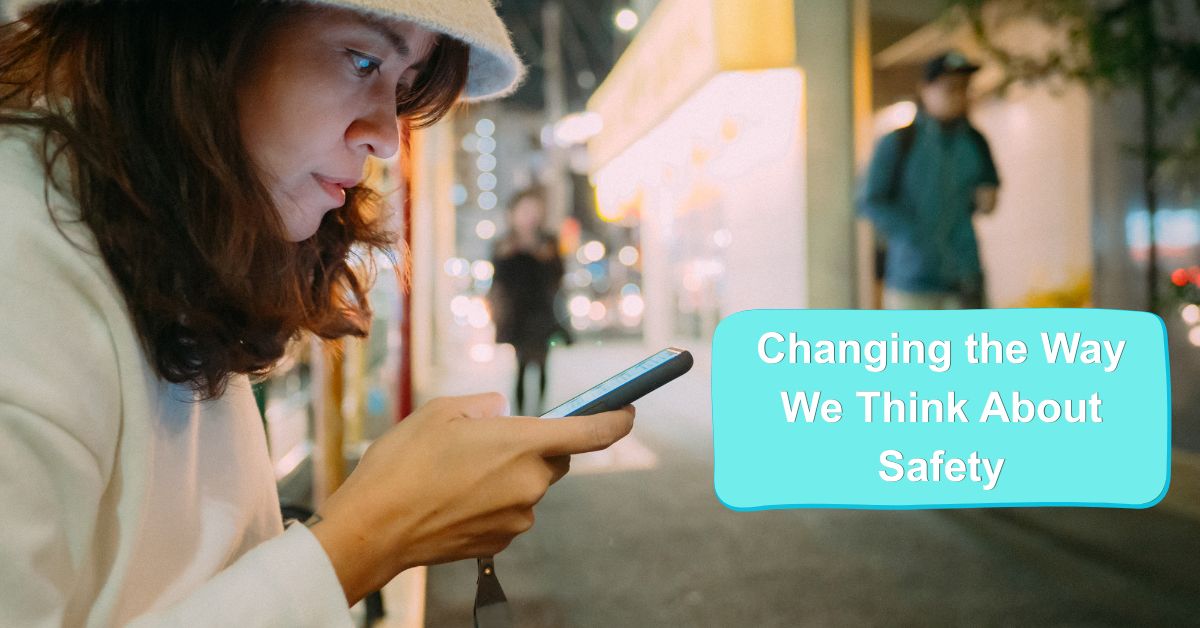
The biggest challenge in student safety isn’t always responding to emergencies—it’s encouraging students to ask for help before an emergency develops.
Every year, thousands of young people begin university full of excitement, independence and ambition. For many, it is their first time living away from home, making important decisions on their own and navigating unfamiliar environments.
Universities invest heavily in student wellbeing, safeguarding, campus security and mental health services. Yet despite the availability of these excellent support systems, many students delay asking for help until a situation has already become serious.
The question is not whether help is available.
The question is why so many students hesitate to ask for it.
“I’m Sure It’ll Be Fine”
Most situations that eventually require intervention begin with a small feeling of uncertainty.
A student walking home late at night notices someone repeatedly walking behind them.
Someone feels uncomfortable at a party but doesn’t want to make a fuss.
A first-year student feels isolated but tells themselves things will improve.
A student becomes lost after a night out.
Someone experiences harassment but wonders if they are overreacting.
A student feels unwell while studying alone.
In each of these situations, there is an opportunity to seek help early.
Instead, many students choose to wait.
The Psychology Behind Waiting
There are several reasons why students hesitate.
They don’t want to overreact
Many students convince themselves that asking for help might seem unnecessary.
They worry that friends or family will think they are making a big issue out of something that may turn out to be nothing.
Ironically, waiting often allows the situation to become exactly the emergency they hoped to avoid.
They don’t want to be a burden
Young adults are naturally developing independence.
Many don’t want to interrupt parents, disturb friends or inconvenience others.
They tell themselves:
“I’ll deal with it myself.”
Unfortunately, some situations are much easier to manage when support arrives early.
They’re embarrassed
Students often worry about how others may judge them.
Questions run through their minds:
- What if everyone laughs?
- What if I misunderstood?
- What if nothing actually happens?
Embarrassment can become a powerful barrier to asking for help.
They underestimate risk
Human beings are naturally optimistic.
We often believe that bad things happen to other people.
Students may recognise that something feels wrong while simultaneously convincing themselves everything will work out.
Most of the time they are right.
But personal safety isn’t about preparing for “most of the time.”
It’s about preparing for the occasions when something unexpected happens.
Universities Already Do So Much
Universities across the UK have transformed the support available to students.
Many now provide:
- 24-hour campus security
- Wellbeing services
- Safeguarding teams
- Mental health support
- Safe taxi schemes
- Night buses
- Student support advisers
- Report and Support services
- Residence support teams
These services are invaluable.
However, they all rely on one crucial first step:
The student has to reach out.
Helping students take that first step is often the greatest challenge.
Making Help Easier to Ask For
Technology cannot replace friends, family or university support services.
Nor should it.
Its role should be to reduce the effort required to ask for help.
Sometimes the difference between asking for help and staying silent is surprisingly small.
It may simply be:
- Not wanting to search for a phone.
- Not knowing who to call.
- Feeling too anxious to explain the situation.
- Worrying that people will think they’re overreacting.
Removing these barriers can encourage students to seek reassurance earlier.
Early Intervention Changes Outcomes
Imagine two students.
Both notice someone behaving suspiciously while walking home.
The first decides to ignore the feeling.
The second quickly lets a trusted contact know where they are and that something doesn’t feel right.
Neither situation may become an emergency.
But one student has already created a support network around themselves.
Early communication gives people more options.
It allows:
- reassurance,
- monitoring,
- practical advice,
- quicker assistance if circumstances change,
- and, in many cases, peace of mind.
Building Confidence, Not Fear
Personal safety should never be about making students feel frightened.
University should be one of the most exciting and rewarding periods of life.
The aim is not to encourage fear.
The aim is to encourage confidence.
Confidence comes from knowing:
- support is available,
- asking for help is completely normal,
- trusted people know where you are,
- and help can be requested quickly if needed.
Students should never feel that they have to wait until a situation becomes serious before reaching out.
The Future of Student Safety
The universities leading the way in student wellbeing recognise that safety is about much more than responding to incidents.
It is about creating an environment where students feel comfortable seeking support at the earliest opportunity.
That culture of early intervention benefits everyone:
- Students feel safer.
- Parents gain reassurance.
- Universities strengthen their wellbeing strategies.
- Security teams can respond more effectively.
- Potential incidents are less likely to escalate.
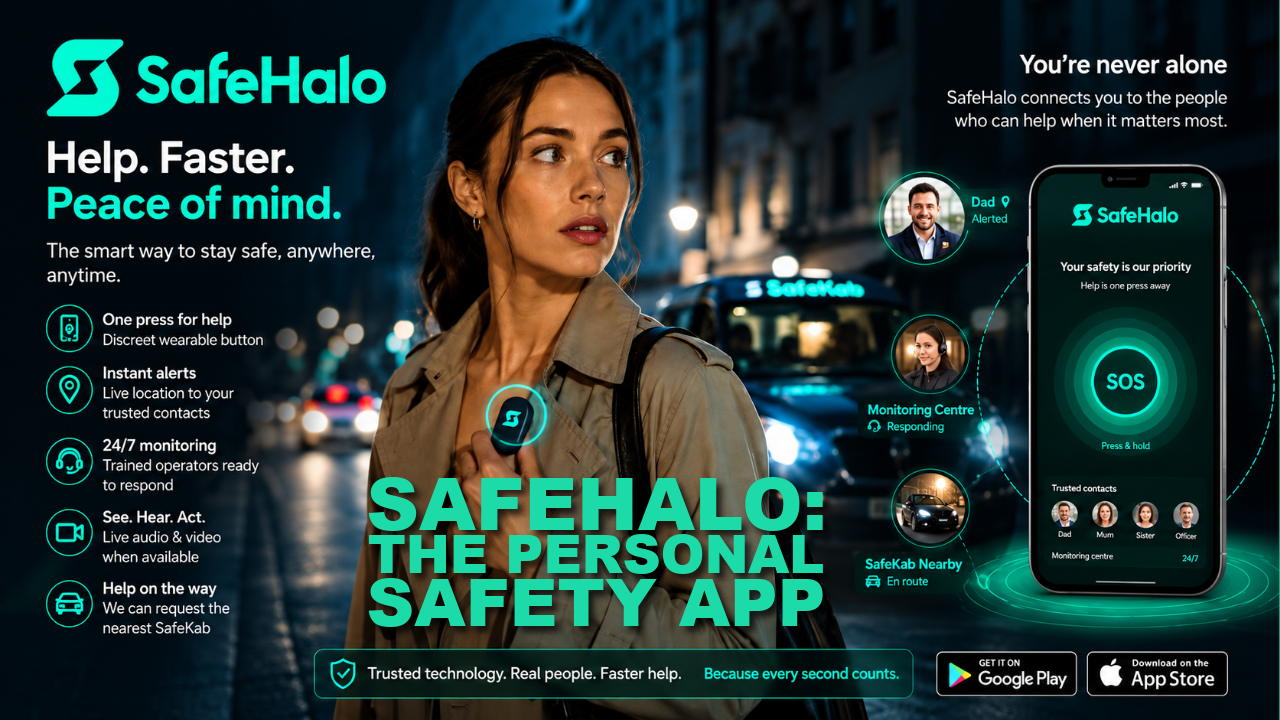
SafeHalo’s Approach
At SafeHalo, we believe the most effective way to improve student safety is not simply to respond to emergencies more quickly, but to make it easier for students to ask for help before an emergency develops.
Our platform has been designed around that principle.
Features such as wearable SOS activation, SafeWalk, Check on Me, trusted contacts, live location sharing, automatic fall detection and optional 24/7 professional monitoring all serve one purpose:
Helping students connect with support at the earliest possible moment.
Because the best emergency response is often the one that was never needed.